Bwindi Impenetrable Forest Top Activities
Bwindi Impenetrable Forest top activities; Bwindi Impenetrable Forest National Park, nestled in Southwestern Uganda is an ecological powerhouse; in 1994, the park was recognized as a UNESCO World Heritage Site. The forest set over an area of 331 square kilometers and registered to in-house over 120 mammals, 300 bird species and 27 reptile species, which are most likely to be encountered during the trekking through dense jungle, while using one of the four trails.
Mountain gorillas and Gorilla TREKKING;
Gorilla tracking and habituation experiences are the most thrilling and memorable activities that are done in Bwindi Forest National Park. The park has 459 of the 1063 individuals, meaning that Bwindi Forest houses half of the world’s mountain gorillas. Found in the Virunga volcanoes and the most ancient Bwindi Impenetrable Forest. The forest park has in-house fifteen groups that are successfully habituated, where gorilla tracking is done in four trailheads. The four most known trailheads include Buhoma, Nkuringo, Ruhija, and Rushaga.

Bird species and Bird Watching;
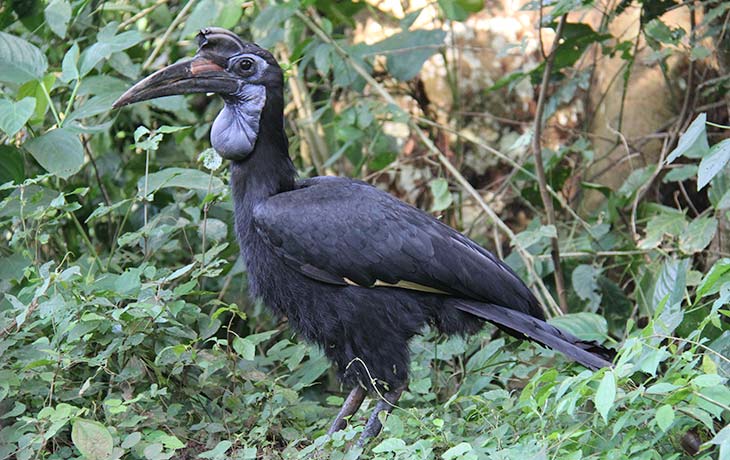
Bwindi Forest has successfully been recorded with a total number of 350 species, offering a great birding ground for birdwatchers, of which 24 are the most endemic to the Albertine Rift. The Ivy River Trail, which connects the Nkuringo and Buhoma sectors found in Bwindi Forest, offers a scenic trekking and birding experience, the 14 kilometers make up the oldest trail with a birding list, which includes; common waxbill, grey apalis, tiny sunbird, Rwenzori nightjars, African harrier hawks, olive woodpeckers, great blue turacos, and bronze sunbird. While the Albertine rift endemic species are spotted in the Mubwindi Swamp which includes; handsome francolin, Rwenzori nightjar, dwarf honey guide, red-throated alethe, archer’s robin-chat, kivu ground-thrush, Rwenzori turaco, red-faced woodland warbler, short-tailed warbler, grauer’s warbler, and stripe-breasted tit.
Forest Flora and Guided forest walking;
Bwindi Impenetrable Forest National Park is characterized by rich botanical covering, which encourages various travelers to explore its biodiversity surroundings. With 1,000 flowering plant species playing an important role in the ecological system, the tree canopy, which totals 163 species, provides shelter for ground and primates for food. The forest is a home to one of the most globally threatened trees, called Lovoa swynnertonii, and while on a Muzabajiro Loop trail, which is 6 kilometers, take about 4-5 hours of trekking experience, it offers the clearest sightseeing, which is breathtaking.
Key reasons to Travel with Us for Your Bwindi Impenetrable Forest Top Activities;
The main reason you should book with Simba African Expeditions when visiting Bwindi Impenetrable Forest National Park as you’re destination management company comes with various competitive advantages:
- Simba African excursions operates under the concept that excellent excursions should be led by locals who have extensive direct knowledge of the location, wildlife, and clients, rather than depending on detailed infographics.
- We are situated in Kampala, Uganda, and are a 100% Uganda-owned company, with destination operations in Uganda, Rwanda, Kenya, and Tanzania.
- Simba African Expeditions specializes in developing tailored adventures and itineraries geared for wildlife experiences such as mountain gorilla trekking, and specialty bird watching experiences.